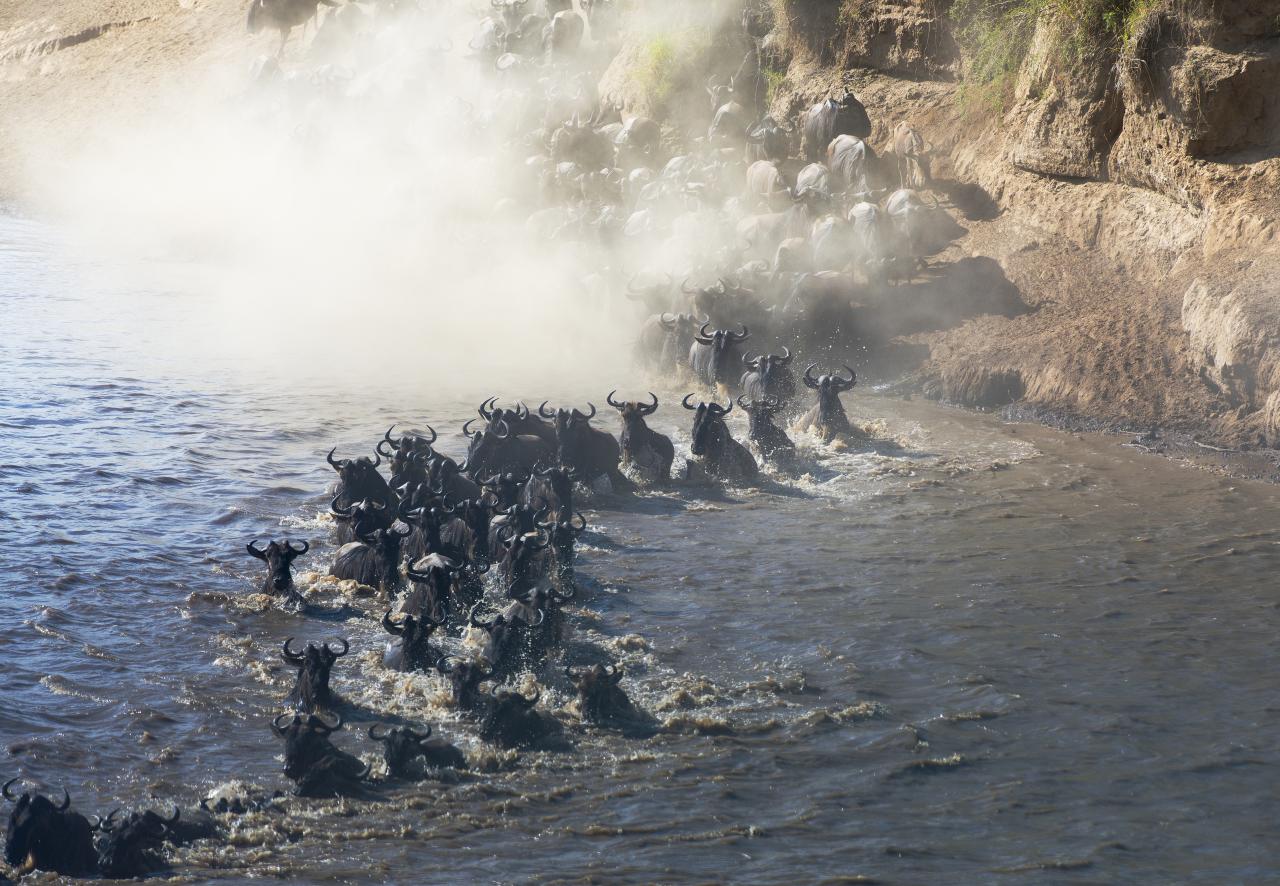
Great Migration safari planning starts with choosing the wildlife experience you want, then matching your dates to the right part of the Serengeti–Mara ecosystem. A photograph of a river crossing cannot tell you where to book a camp for your holiday. This guide explains the seasonal choices, how to protect time in the field, and what a European traveler should ask before paying for a migration itinerary.
Great Migration safari planning: choose an experience
The migration is a continuing movement of grazing animals, not a single event held in one park. Tanzania National Parks describes a cycle driven by fresh grazing and water across the Serengeti ecosystem and Kenya’s Masai Mara. River crossings are one dramatic part of that cycle; large herds spread over the plains and the calving period offer different reasons to visit.
Decide whether your priority is newborn animals, expansive herd photography, river-country behavior or a balanced safari that includes migration possibilities. These interests lead to different locations. If your dates are fixed by school holidays or work, choose the most suitable regional plan for those dates instead of trying to force a famous scene into the wrong season.
Start your Great Migration safari planning with a clear brief
- Give your actual arrival and departure dates, including overnight international flights.
- Rank your preferred experience: calving, herds, river country or general wildlife.
- Explain whether you enjoy waiting at a sighting or prefer varied drives.
- State your comfort level and whether you need a private vehicle.
A seasonal framework, with room for nature
TANAPA’s destination guidance highlights the southern plains for the calving period early in the year. Its published migration material places calving broadly between January and March. Ndutu Safari Lodge describes a peak around February, linked to the arrival of rain and fresh grass. These are planning windows, not appointment times for individual births.
Later in the annual cycle, migration-focused trips may concentrate on western or northern Serengeti areas, followed by the Mara portion of the ecosystem. The correct camp location needs a more detailed conversation than simply choosing “Serengeti.” A park-wide label can hide a substantial transfer between your accommodation and the area you hoped to explore.
Use seasonal information to select a sensible base, then discuss recent conditions with your planner closer to departure. Rainfall can alter movements. Animals may remain on one side of a river, cross when you are elsewhere or disperse across a wide area. Neither a particular month nor an expensive lodge can guarantee a crossing.
Northern Serengeti, Ndutu or the Masai Mara?
A northern Serengeti plan suits travelers specifically considering river-country migration viewing when the herds are in that region. A Ndutu plan concentrates on the southern ecosystem and calving-season possibilities. A Mara stay can form a Kenya holiday with different arrival logistics and additional Kenya destinations. The choice is geographical as well as seasonal.
| Planning focus | Useful question | Tradeoff to understand |
|---|---|---|
| Northern Serengeti | Where is the camp relative to our intended viewing area? | Remote positioning may require extra travel or a flight. |
| Ndutu and the southern plains | Does our date window suit calving-season interests? | This is a different experience from river crossings. |
| Masai Mara | Are we staying in the reserve or a neighboring conservancy? | Access and activity arrangements must match the booking. |
| Two-country combination | What does the border and transfer day remove from our viewing time? | A broader journey can leave fewer full days at each base. |
For a Tanzania starting point, compare Jetmoor’s eight-day northern Serengeti migration outline with its six-day Ndutu calving outline. Both are indicative proposals; neither establishes a confirmed camp or wildlife outcome.
Protect nights where the experience happens
Frequent camp changes are especially costly on a migration safari because wildlife viewing rewards patience. Packing, checking out and relocating take time even when a transfer includes animals along the way. Start by allocating several consecutive nights to your main area of interest, then decide whether an additional region adds enough variety to justify moving.
The example below is an editorial seven-night allocation for an eight-day trip. It is not a description of confirmed inclusions in Jetmoor’s catalogue. A planner would still need to choose the gateway, transfer method, camps and seasonal target area. International travel may add more nights outside this allocation.
| Base | Nights | Purpose |
|---|---|---|
| Gateway | 1 | Arrive and recover before the safari |
| Central wildlife base | 2 | General wildlife and a different habitat |
| Seasonal migration base | 4 | Repeated opportunities in the chosen area |
With four nights at one migration base, you normally have three complete intervening days before counting any arrival- or departure-day viewing. That is calendar arithmetic, not a promise about game-drive schedules. Ask how much of each transfer day is realistically available for wildlife.
Count complete days at one base
Full intervening days equal consecutive nights minus one; arrival and departure activities are additional only if the itinerary permits them.
Choose a camp by position before decoration
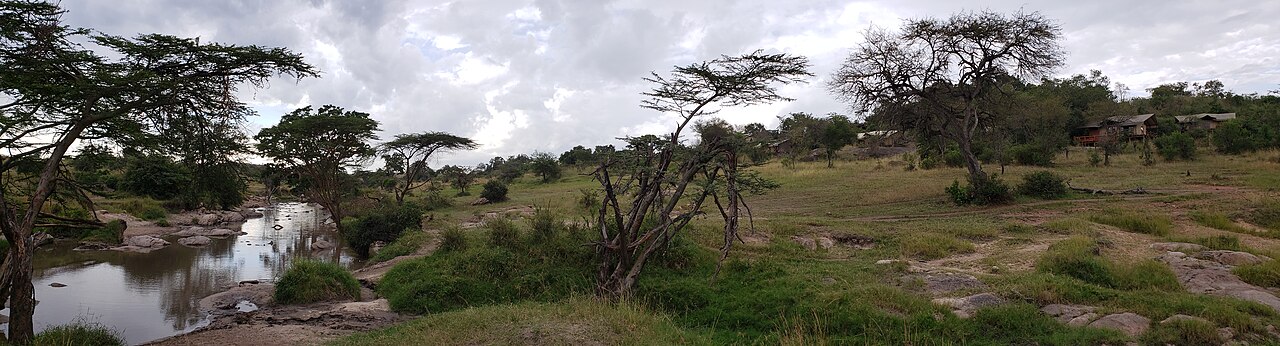
Ask for the actual camp name, coordinates or a usable map, and its operating location for your dates. A seasonal camp may move during the year. Photographs of its dining tent tell you little about where it will stand during your visit. A permanent lodge offers a fixed base, but that does not make it close to every seasonal herd concentration.
Then compare the details that affect your stay: en-suite bathroom arrangements, power and charging, room access, meal schedule, drinking water and the distance from your room to communal areas. Discuss mobility needs before choosing a remote tent. A ground-level room is not automatically step-free or suitable for every traveler.
For a family or couple, clarify what “private” describes. Your room can be private while vehicles are shared with other guests. A private safari vehicle does not mean a private camp, exclusive wildlife access or a chartered aircraft. Put the requested arrangement against each transport and activity line in the quote.
Great Migration safari planning: compare complete costs
The useful price is a dated total for your party and route. A migration headline rate without seasonal camp details or transport assumptions is difficult to compare. The table identifies the main quotation lines; amounts are deliberately left for a current proposal instead of presenting unsupported prices as available offers.
| Cost component | Amount | What the dated quote should specify |
|---|---|---|
| Accommodation | Dated quote | Named camps, travel dates, room category and meal basis. |
| Vehicle and guiding | Dated quote | Private or shared arrangements and included drive schedule. |
| Protected-area access | Dated quote | Applicable park, conservation and concession charges for the route. |
| Flights and transfers | Dated quote | Every sector, airstrip pickup, baggage basis and airport transfer. |
| Optional experiences | Dated quote | Separately priced activities and their conditions. |
| Booking terms | Dated quote | Quote currency, validity, payment schedule and cancellation conditions. |
Compare the same room and vehicle assumptions before dividing a total into a per-person figure. A family quote may price adults and children differently. For a couple, a shared vehicle and a private vehicle are different products even if the camp looks identical.
Compare like-for-like party quotations
Divide the total comparable party quote by the number of paying travelers. Keep excluded flights, activities and personal costs visible separately.
Make European flight connections work
Build the ground itinerary around your actual international arrival, not a generic “day one.” An overnight flight may bring you to East Africa tired, and an airport change or separate domestic booking adds practical steps. Your first night can provide a useful recovery margin before the safari begins.
For Kenya fly-in arrangements, verify the airport: Safarilink operates from Wilson, which is separate from Jomo Kenyatta International Airport. For Tanzania, ask whether each sector uses Kilimanjaro, Arusha or a bush airstrip. The correct camp pickup matters as much as the flight booking.
Read the operating airline’s baggage policy before choosing luggage. Camera bodies, lenses and binoculars still weigh something; an international allowance does not establish your bush-flight allowance. If excess baggage or storage is needed, have the arrangement confirmed before departure. Leave a sensible margin before the flight home.
Build a rewarding day beyond a single crossing
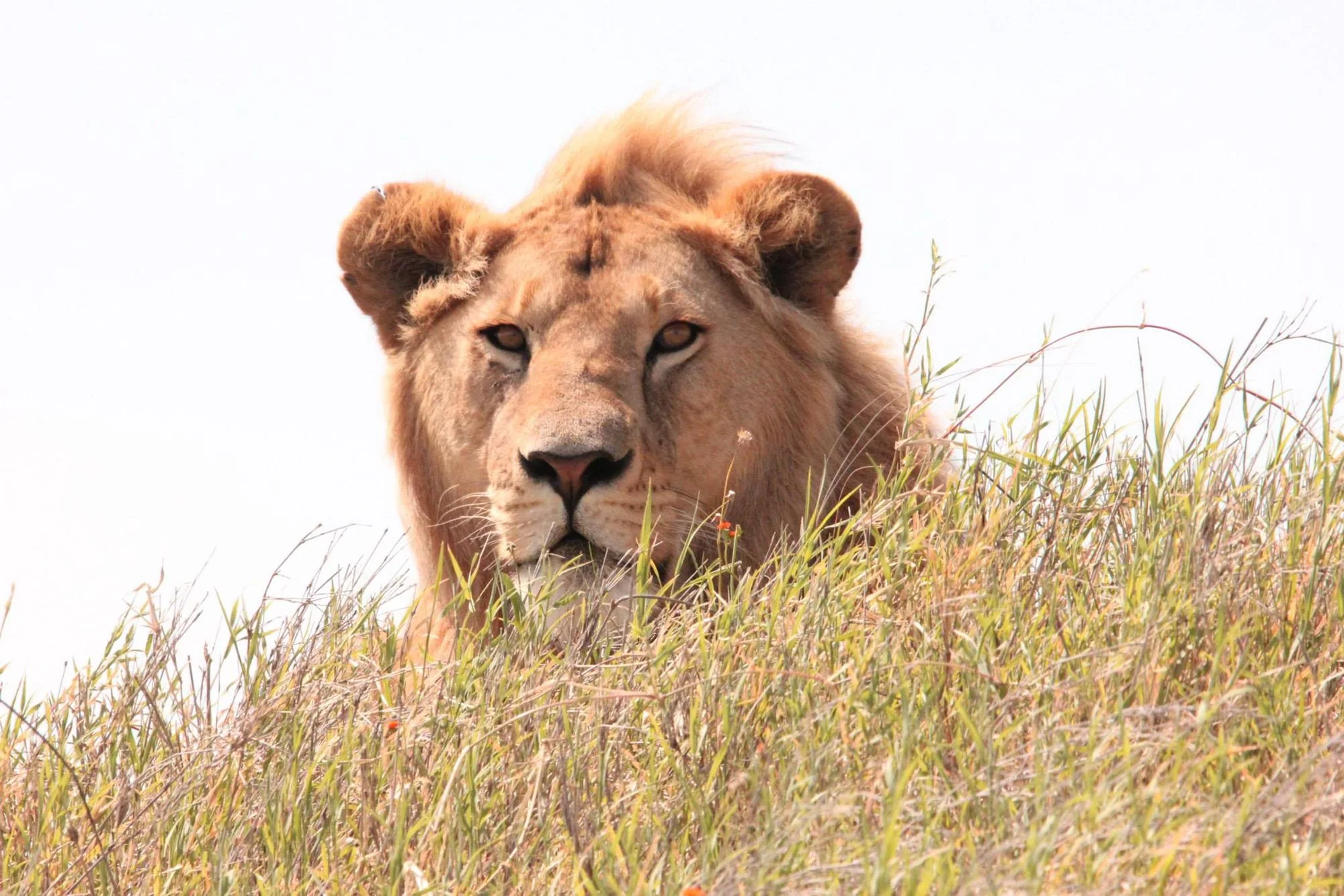
Discuss how you want to use a full wildlife day. Some travelers enjoy a long outing with a picnic; others prefer a break at camp. A photographer might value repeated visits to the same location, while a family may need more variety. Make those preferences clear before assuming everyone wants to wait for hours beside a river.
Responsible viewing is part of a good itinerary. Keep access tracks clear, follow the guide’s instructions and give animals space to move. Do not ask a driver to force a crossing, surround a calf or break protected-area rules to improve a photograph. Accepting an animal’s decision is part of observing it.
- Bring binoculars so distant animals remain interesting.
- Keep a wider lens or phone ready for landscapes as well as close portraits.
- Notice birds, grazing behavior and interactions between different species.
- Agree on breaks and meal arrangements before a longer outing.
What a focused migration itinerary gives you
The advantages come from the route design rather than a promise of spectacle. You spend less time relocating, can revisit productive areas and understand why a camp was selected. You also have a clearer basis for comparing an extra safari night with a room upgrade or optional activity.
- More continuity: repeated drives allow a deeper appreciation of the same landscape.
- Clearer priorities: seasonal choices match the experience you actually want.
- Better comparisons: quotes show transport, access and accommodation assumptions.
Before paying, request the complete overnight sequence, named accommodation and dated written terms. Check official entry and travel guidance for every country involved. If your wish list extends beyond the migration, Jetmoor’s Serengeti and Masai Mara comparison can help frame the next discussion.
Frequently asked questions
Can a migration safari guarantee a river crossing?
No. Herd movements, rainfall and animal behavior determine what happens. Choose a suitable region and enough time to explore it, while valuing the wider wildlife experience.
Is the migration only in Kenya?
No. The annual cycle uses the wider Serengeti–Mara ecosystem across Tanzania and Kenya. The appropriate country and camp depend on your dates and interests.
Is February the only month for calving?
No. Official destination guidance describes a broader early-year period, and local conditions vary. February is a commonly discussed focus, not a guarantee of births on a particular day.
Should I book two different migration camps?
Only if the move adds worthwhile habitat or positioning. First compare the lost transfer time with the benefit of staying longer at one well-chosen base.
Does a fly-in safari include a private game vehicle?
Not automatically. Check the camp’s drive arrangements separately from the aircraft booking, and have any private vehicle requirement written into the quote.
Can a migration trip include Zanzibar?
It can be considered as a separately planned extension. Allow for the connecting travel day and beach nights without quietly reducing the wildlife time that motivated the trip.
Plan your safari with Jetmoor
Share your travel dates, party size, preferred pace and the experiences that matter most. Jetmoor can use those details to prepare a route for discussion, with named accommodation and a dated quotation for you to review.
Prepared with AI assistance for Jetmoor Safaris using its indicative itineraries and official destination information. Last updated November 2026. Confirm dated services and written terms before booking.
Planning sources and further checks
Destination and supplier details were checked against these sources in November 2026. Recheck current requirements and the services in your dated proposal.
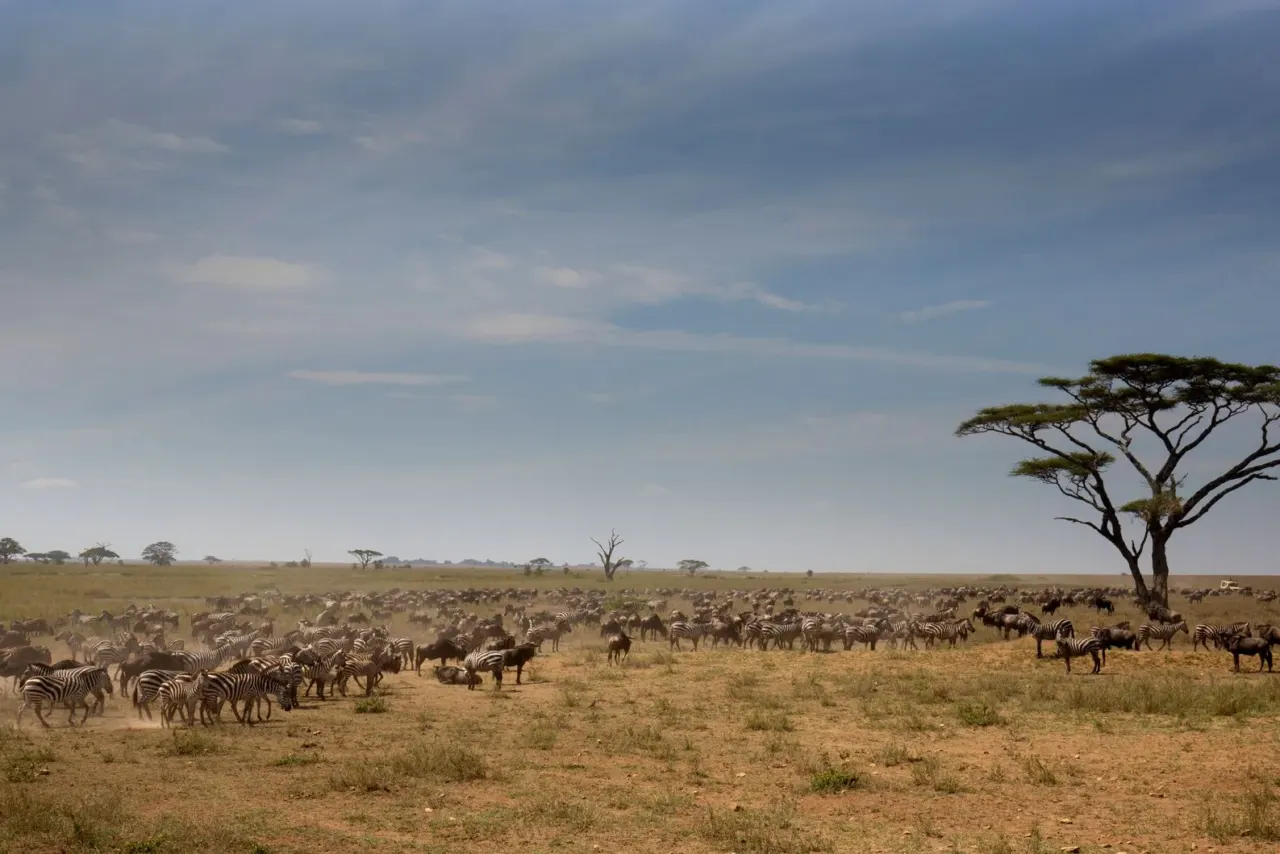
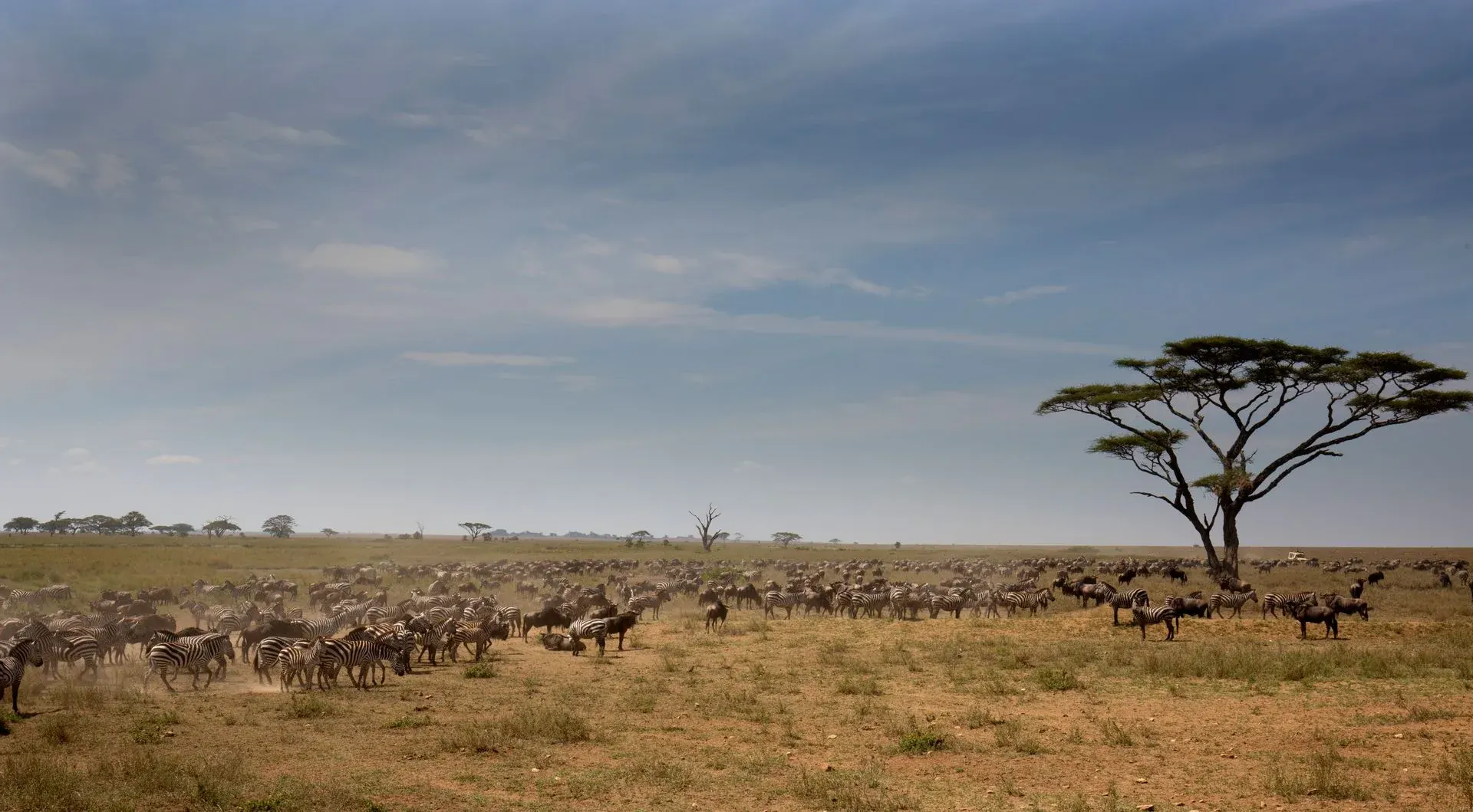
Featured photograph: Zebra herd on the Serengeti plains beside an acacia tree. Photo: Mike Knibbs / Pexels. Resized for display.