A Tanzania family safari works when the route fits the children’s ages, the room setup and everyone’s capacity for travel days. Start with those details, then choose wildlife areas and activities that the whole family can enjoy without turning each day into an endurance test.
Plan a Tanzania family safari for your actual children
“Family-friendly” is too broad to guide a booking on its own. An eight-year-old who enjoys watching birds, a teenager interested in photography and a child who needs frequent movement will use the same itinerary differently. Tell Jetmoor about interests, routines and any practical needs before the planner selects camps.
Give each child’s age at travel, not just their age when you request the quote. Accommodation and activity providers can apply different policies, and a birthday between enquiry and departure may matter. Ask for the actual minimum ages and pricing categories relevant to every stage rather than assuming one family rule covers the entire trip.
- Describe how long the children comfortably sit in a vehicle.
- Explain sleeping arrangements and whether separate bedrooms are essential.
- Identify food needs, preferred meal times and required equipment.
- List one wildlife interest for each child and one for the adults.
Jetmoor’s nine-day Tanzania family itinerary is an indicative private route with a mid-range accommodation brief. It can begin the discussion, but it does not establish that every listed camp activity or room suits every age.
Use fewer bases when a gentler pace matters
The published outline lists eight nights: Arusha one, Tarangire two, Lake Manyara one, Serengeti three and Karatu one. That is a varied route, but it also contains several changes of base. Ask how each transfer works before deciding whether all five overnight areas suit your family.
The alternative below removes the Lake Manyara overnight and adds a Tarangire night, keeping eight nights across four bases. It is a proposed planning scenario, not a promised change to the catalogue product. It favors another settled day over an additional destination, while leaving the transport sequence to be confirmed.
| Overnight stage | Nights | Planning purpose |
|---|---|---|
| Arusha | 1 | Arrival, meals and a normal bedtime |
| Tarangire area | 3 | Two days without changing base |
| Serengeti sector | 3 | Two days without changing base |
| Karatu area | 1 | Position for the agreed final excursion |
| Total | 8 | Every proposed overnight accounted for |
The last Karatu-to-departure connection still needs careful planning. If the chosen international flight leaves too early for a comfortable road journey, add a gateway night or change the sequence rather than treating the transfer as invisible. A nine-day ground itinerary can also require additional calendar days for flights from Europe and the return home.
For consecutive stays, settled days between check-in and checkout equal nights minus overnight bases. S is that day count, N total nights and B the number of stays. Eight nights across four bases provide four such days; across five bases they provide three. This counts days without a hotel change, not guaranteed game-drive time.
Private transport should make daily life easier
A dedicated vehicle can allow your family to agree stops and return times without negotiating with unrelated guests. That flexibility can be useful when a child becomes tired or an unexpected bird sighting holds everyone’s attention. Confirm it for the actual game drives, since some camps use their own shared vehicles.
Your Tanzania family safari vehicle questions
Ask about passenger seating, restraints suitable for the children, luggage space and the view from their seats. An opening roof does not establish whether a younger child has a comfortable viewing position. If a booster or particular restraint is needed, obtain written confirmation of compatibility and provision before travel.
- Confirm private or shared arrangements for every driving stage.
- Discuss a practical break pattern and toilet opportunities.
- Ask how lunch works on a longer outing.
- Keep the guide informed about tiredness before it becomes distress.
Private travel still follows park rules and the booked route. It does not permit leaving a vehicle wherever a child wants to stretch or approaching wildlife more closely. The useful flexibility is in planning a sensible day within the rules, not bypassing them.
Book the room layout, not the family label
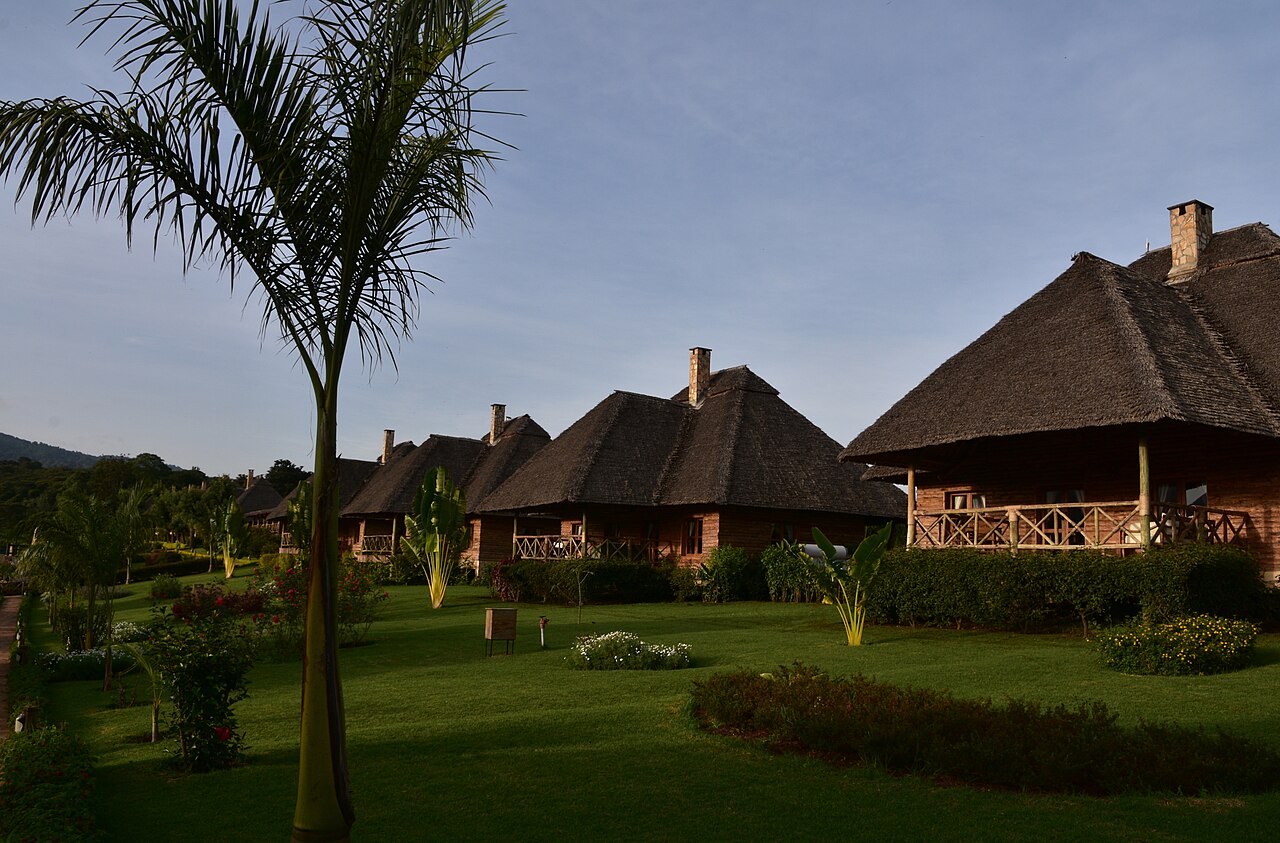
A family tent may have two bedrooms, an extra bed in one room or separate units reached outdoors. Those are different arrangements. Request a floor plan or clear description, the number of bathrooms and how children move between sleeping areas and the adults’ room at night.
Asilia’s official Dunia Camp information describes a family tent with separate bedrooms and welcomes children aged five and older. It is a real example of a specific policy and room arrangement, not proof that every Tanzania camp accepts that age or that Jetmoor includes this property. Dated availability and suitability must be confirmed.
| Question | Why the answer matters |
|---|---|
| One room, connected rooms or separate units? | Determines sleeping, supervision and nighttime movement |
| How many proper beds? | An extra bed or sofa may not suit an older child |
| How are bathrooms accessed? | Nighttime arrangements should work for the actual ages |
| What are pool and camp supervision rules? | A family label does not mean childcare is provided |
| Are there steps or lengthy paths? | Room position can affect comfort after a long day |
| Which activities have separate age limits? | Being allowed to stay does not establish permission to participate |
Build interest without demanding constant excitement
Wildlife viewing includes waiting, searching and quiet periods. Prepare children for that before departure. A small notebook, binoculars they can use comfortably or a simple list of shapes, tracks and bird colors can help them notice more than the largest animals. Avoid framing the holiday as a competition to collect sightings.
Let the guide know what interests them. One child may enjoy learning how animals behave; another may be fascinated by vehicles, plants or landscape changes. Choose small questions and observations rather than turning every drive into a formal lesson. A good family rhythm leaves room for boredom, conversation and rest as well as excitement.
Ask about authorized activities that offer variety, but confirm the age limits and physical demands of each. A walk, balloon experience or cultural visit should not be added simply to fill an afternoon. Check whether it is suitable for everyone and how an adult and child would be accommodated if they do not participate.
Manage meals, rest and camp supervision
Send dietary needs before room bookings become final. Explain the difference between a preference and a requirement, then ask what the property can confirm. Meal timing matters too: an early breakfast followed by a long drive needs a clear plan for lunch and drinking water, not an assumption that every stop has suitable food.
On days without a hotel change, consider whether shorter outings separated by camp time would suit your family. That depends on the camp’s location and the day’s objectives; repeated travel to a distant viewing area can undo the benefit. Ask for a realistic option rather than demanding the same schedule everywhere.
- Check early meal availability and the included meal basis.
- Ask about laundry and drying turnaround before reducing luggage.
- Confirm whether pools are supervised and whether childcare exists at all.
- Understand movement rules around wildlife and after dark.
Parents remain responsible for supervision unless a specific childcare arrangement is confirmed. Do not equate a child-friendly room, a swimming pool or friendly staff with a supervised program. Explain camp instructions to children in simple language and repeat them when you move to another property.
Compare the whole Tanzania family safari cost
Children are not necessarily charged as a fixed percentage of an adult price. Age, room configuration, park rules, flights and occupancy can influence different parts of the quotation. Ask for each child’s cost on the actual travel dates and a full family total that makes any shared services clear.
| Component | Required information | Amount |
|---|---|---|
| Rooms | Exact category, beds, occupancy and each child’s age | Dated quote |
| Vehicle and guiding | Exclusive services, seating and required equipment | Dated quote |
| Park and activity charges | Applicable age categories and included activities | Dated quote |
| Domestic flights | Each passenger’s fare, baggage and transfer arrangements | Dated quote |
| Meals and extras | Included days, chosen activities and any childcare | Dated quote |
In plain English, compare the full family quote plus necessary exclusions. T is the comparable total, Q the written party quote and E services you would otherwise pay separately. Do not add a private vehicle twice if it is already included in the package, and do not divide the average back into invented child rates.
If you budget in pounds or euros, confirm the invoice currency and how settlement costs are handled. Ask for dated cancellation and change terms, including what happens if a family member cannot travel. Compare policies alongside prices before making irreversible flight decisions.
Plan school breaks and flights as one calendar
Use the school’s actual dates and your available leave rather than a general label such as “summer holiday.” Show the planner when you must be home, how much recovery time you want and whether one or two departure dates are possible. Flexibility can help compare room availability without assuming it will produce a particular discount.
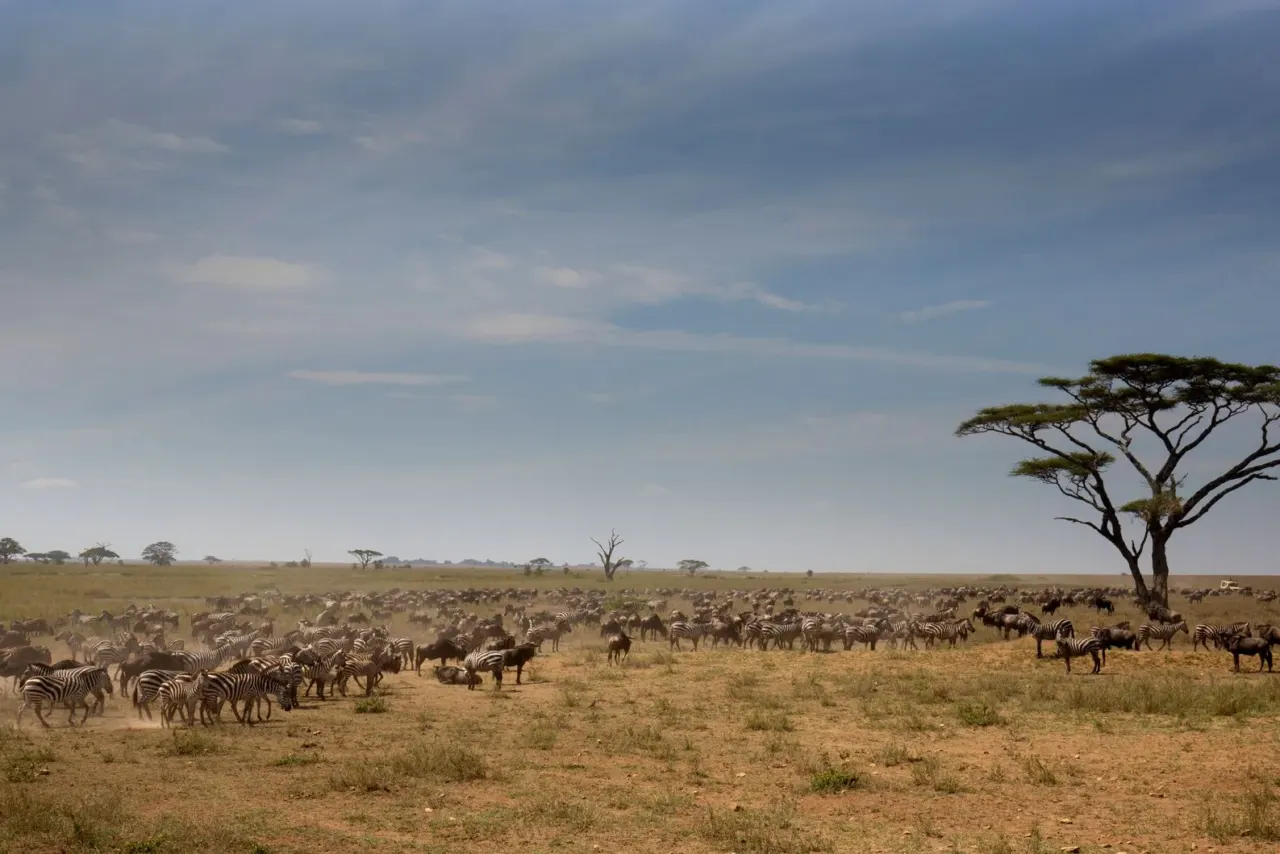
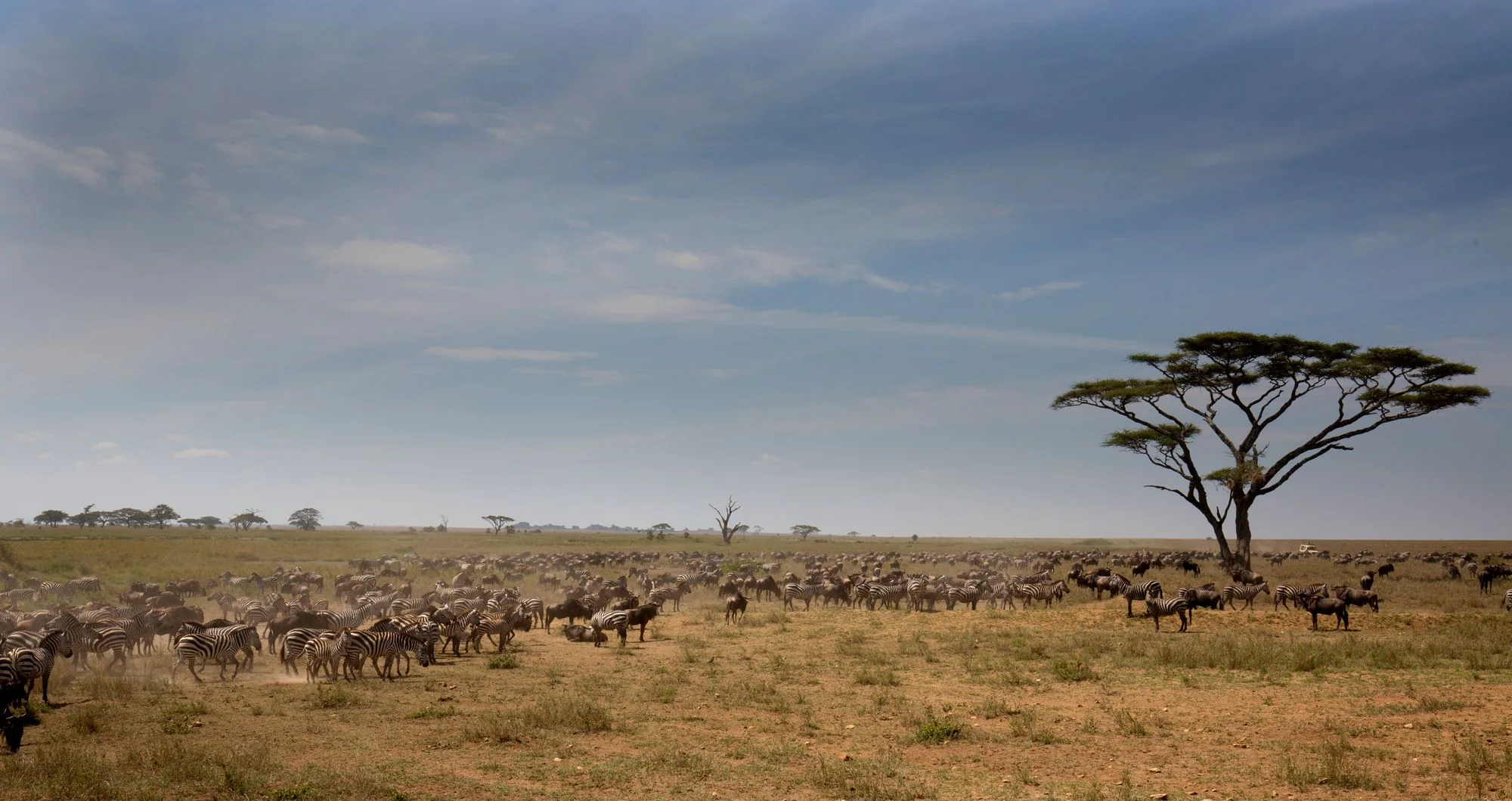
Seasonal wildlife expectations should match the date window. Tanzania National Parks identifies the Serengeti as a changing migration landscape; a family with fixed dates should select the appropriate area and enjoy the broader wildlife rather than be promised one event. Avoid a remote detour solely because a photograph makes it look essential.
Ask the booked airline about children’s equipment and luggage separately. Coastal’s published policy illustrates the weight, size and loading considerations on safari aircraft. Never assume the family’s allowances can be pooled or that a child’s ticket carries the same conditions as an international booking.
Send the information that prevents avoidable changes
Give Jetmoor the children’s dates of birth for booking purposes, preferred room arrangement, practical needs, budget and travel window through its private enquiry process. Avoid putting sensitive family information in a public review or comment. Include the adults’ interests too; a family safari should work for everyone traveling.
Before committing, obtain the complete overnight list, age acceptances, vehicle details, included activities and current written terms. Check entry requirements with official authorities and seek individualized travel-health advice from a qualified professional. A well-prepared route lets the family focus on the animals and places once the holiday begins.
Frequently asked questions
What is the minimum age for a Tanzania family safari?
There is no single age that applies to every property and activity. Give Jetmoor each child’s age at travel and obtain written acceptance and activity limits from every relevant provider.
Is a private vehicle necessary with children?
It can make breaks, interests and return times easier to manage, but the best choice depends on your children and budget. Confirm that private arrangements cover game drives as well as transfers.
Does a family tent mean two connected bedrooms?
Not always. Ask for the actual layout, beds, bathroom access and whether any movement between units is outdoors. The room name alone does not establish the configuration.
Can children join every activity at their camp?
No. Accommodation acceptance and activity participation are separate decisions. Ask about minimum ages, physical requirements and supervision for each planned activity before paying for it.
How many parks should we include in nine days?
Choose a route that leaves settled days after transfers. Jetmoor’s indicative outline covers several areas; a family preferring fewer hotel changes can request a more concentrated alternative.
Are child rates simply half the adult price?
Do not assume that. Request a written price for each child based on age, occupancy, activities and flights, plus a full party total that identifies shared services and exclusions.
Prepared with AI assistance for Jetmoor Safaris using its indicative itineraries and official destination information. Last updated November 2026. Confirm dated services and written terms before booking.
Planning sources and further checks
Destination and supplier details were checked against these sources in November 2026. Recheck current requirements and the services in your dated proposal.
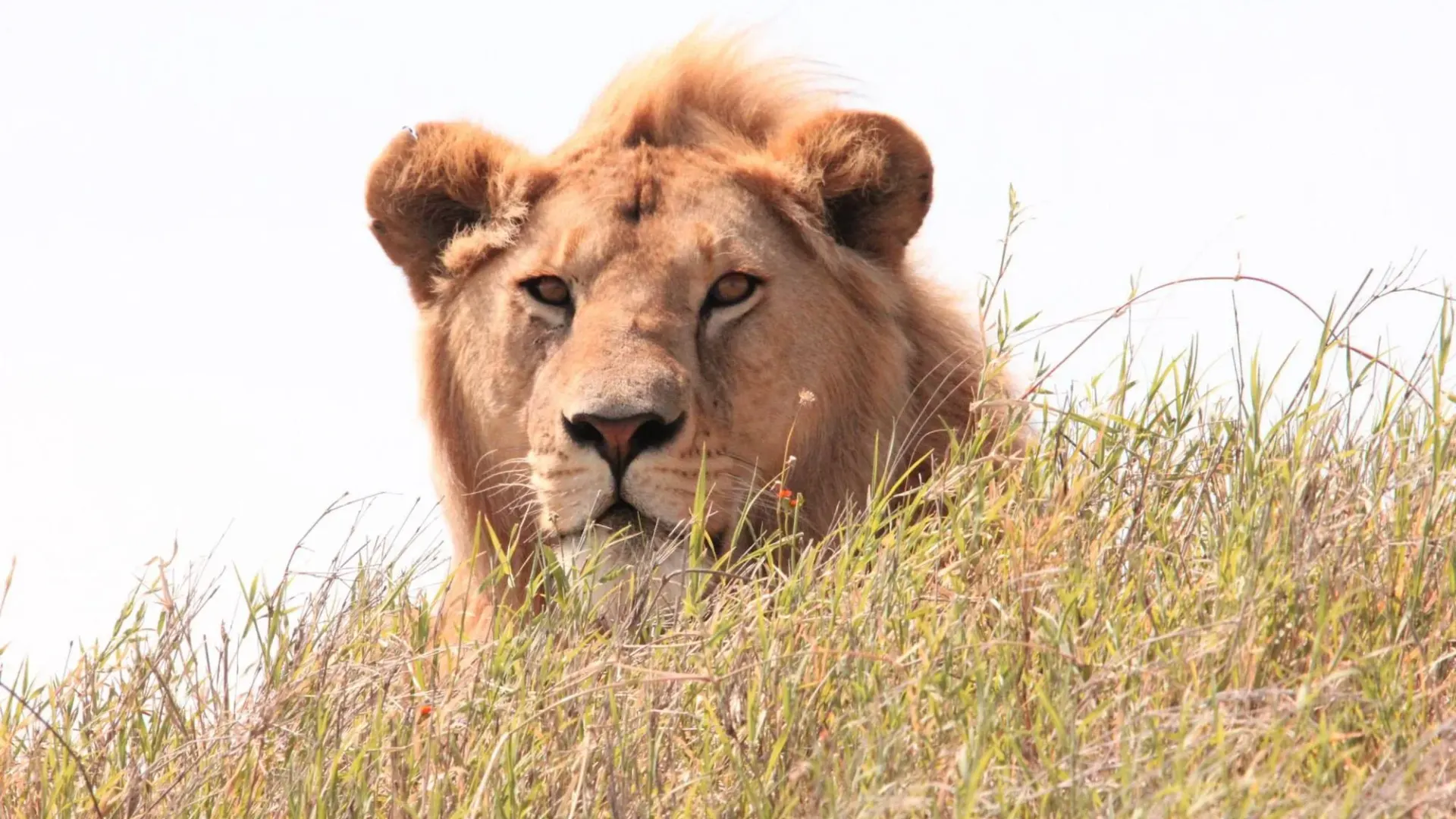
Featured photograph: Lion looking through tall grass in the Serengeti. Photo: Ghida Basma / Pexels. Resized for display.