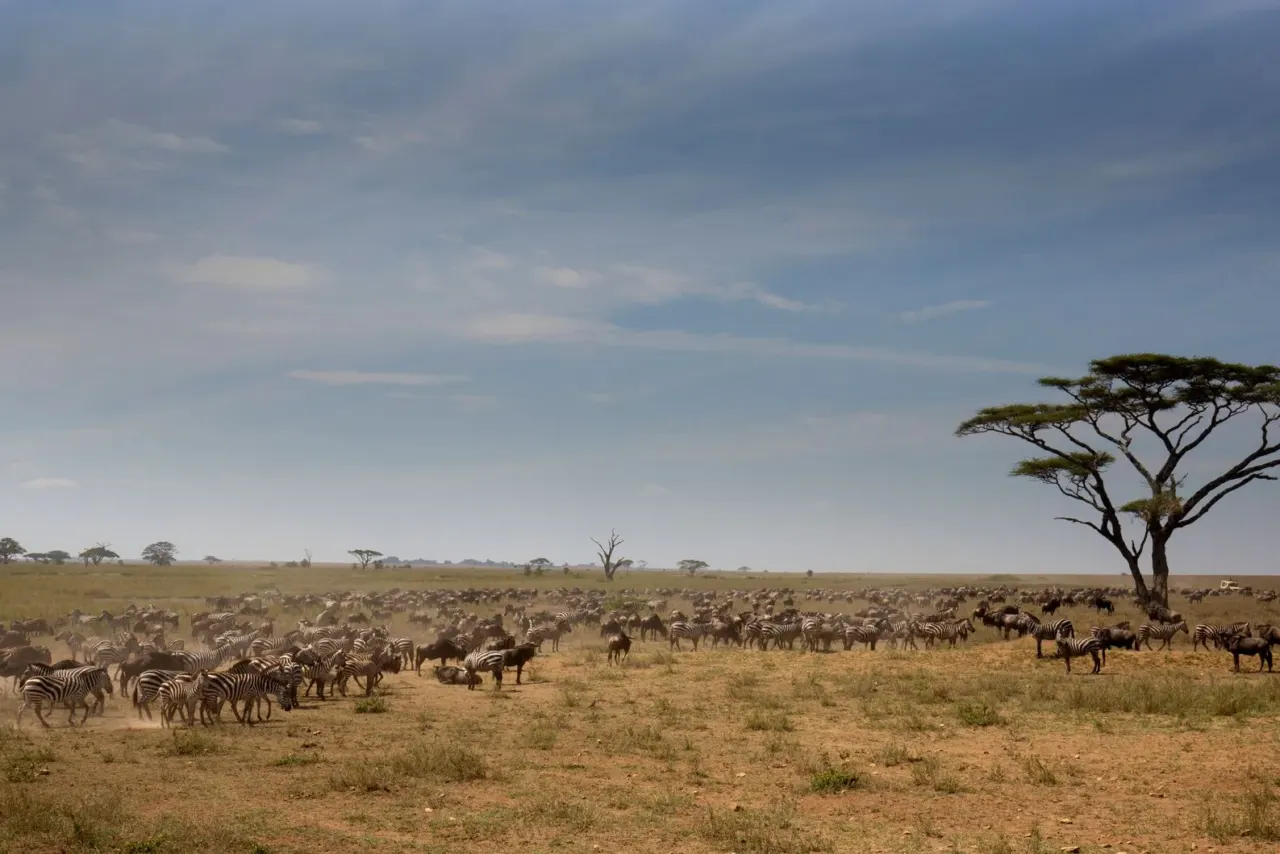
A private Kenya safari gives your traveling party more control over its route and game-drive rhythm. The useful questions are whose vehicle you share, how many nights you spend in each place, and which services the quotation actually includes. Start with those decisions, then choose the rooms and optional experiences.
What a private Kenya safari should mean
For a road itinerary, request a vehicle and driver-guide reserved for your named party throughout the stated safari days. Ask whether that arrangement also covers airport transfers and any separately booked activities. A private vehicle does not make the national park exclusive, and other guests may share the dining room, swimming pool or lodge grounds.
On a fly-in itinerary, the distinctions become more important. You may buy seats on a scheduled aircraft and join camp-operated game drives after landing. If private drives matter, obtain that commitment separately. The word “private” in a tour title should describe a specific service, not leave you guessing which parts of the holiday it covers.
- Your party: confirm who may travel in the game-drive vehicle.
- Your schedule: discuss departure times, meal breaks and the flexibility permitted by park rules.
- Your guide: ask whether the same guide accompanies the road circuit or changes between properties.
- Your accommodation: identify rooms, occupancy and shared facilities.
How a private Kenya safari changes the day
A family can request a shorter afternoon outing; a keen photographer can explain why waiting quietly at one sighting matters. Those preferences still sit within access hours, wildlife-viewing rules and the guide’s judgment. Agree priorities before departure so flexibility benefits everyone traveling.
Build the route around two strong bases
Kenya’s destinations offer different landscapes, but each additional stop involves packing, checkout and another transfer. For a first trip with six nights on the ground, a Nairobi arrival night followed by two safari-area bases is a useful starting point. It allows contrast without treating every overnight as a different hotel.
The example below uses Lake Naivasha and the Maasai Mara. It is an original planning suggestion, not the confirmed schedule of a Jetmoor package. Ask to compare it with the indicative seven-day Kenya wildlife itinerary. A revised proposal should name the properties and explain the actual transfers.
| Base | Nights | Purpose |
|---|---|---|
| Nairobi | 1 | Arrival, rest and a clear start the following morning |
| Lake Naivasha area | 2 | One settled day for separately confirmed lakeside activities or rest |
| Maasai Mara area | 3 | Two complete days between arrival and departure |
Day one is arrival, days two and four move between bases, and day seven returns toward your departure point. Days three, five and six are the unbroken destination days. An evening international flight still needs a realistic return plan; do not assume the final road transfer will fit simply because the itinerary says “seven days.”
Choose wildlife interests before adding parks
If elephants and the landscape below Kilimanjaro are your main interests, ask about replacing the lake stage with Amboseli rather than automatically adding another stop. Kenya Wildlife Service describes Amboseli’s mix of open plains, wetlands and elephant habitat. Mountain visibility and specific animal encounters remain dependent on conditions.
If the Mara is the reason for your trip, protecting another night there may matter more than a brief visit somewhere else. Someone interested in varied habitats may prefer a longer circuit. These are different travel briefs, so they should produce different routes even when the overall budget is similar.
- Choose the experience you most want to spend time on.
- Decide the maximum number of changes of accommodation you will enjoy.
- Place your firm arrival and departure times on the plan.
- Ask which proposed stop to remove if the route feels rushed.
Agree a daily rhythm everyone can enjoy
Private travel works best when your party has agreed on priorities. One person may want to leave before breakfast, while another would prefer coffee and a slower start. Discuss that difference at the planning stage. Ask whether the camp can provide a packed breakfast and whether returning for lunch is practical from the intended viewing area. Do not make the guide resolve an avoidable disagreement every morning.
Consider writing a simple day preference: an early outing when conditions and rules allow, a proper break at camp, then an optional afternoon drive. On another day, you might prefer one longer excursion with a picnic. These are requests to discuss, not guaranteed timings or permissions. The camp location, meal arrangements and reserve boundaries determine what can work.
For a party of friends, agree how optional purchases will be handled. A balloon experience or separate walk may interest only some travelers. Ask whether the others retain a vehicle, what any extra transfer costs, and where everyone meets afterward. This prevents a shared holiday budget from becoming a collection of assumptions about what the group has agreed to buy.
Leave room for an ordinary quiet afternoon. A safari becomes more personal when the schedule reflects your interests and energy, rather than requiring everyone to participate in every possible activity.
Read the vehicle description carefully
Ask for the vehicle type, passenger count, seating arrangement and luggage capacity. A statement that a vehicle holds several passengers does not explain how comfortable your party will be with bags, binoculars and camera equipment. Confirm working seat belts and discuss any required child seat before accepting a vehicle.
Tell the planner about steps, standing tolerance, motion sensitivity or other practical needs. Describe the assistance required without relying on broad labels such as “senior-friendly.” If a vehicle substitution becomes necessary, ask which features remain essential and how the change will be communicated.
Privacy never permits a guide to ignore reserve rules. Mara Conservancy publishes rules governing responsible viewing in the Mara Triangle. Allow the guide to keep the required distance, leave an overcrowded sighting and give animals room to move. Patient observation is part of the experience you are buying.
Match the camp to the actual viewing area
The phrase “a Mara camp” covers different locations. Ask whether your accommodation is inside the National Reserve, in a neighboring conservancy or outside the relevant boundary. Then identify where the included drives take place and whether entering another area incurs additional fees or transfers.
Property examples can make a room brief more concrete. Sarova Mara’s official accommodation information describes tented accommodation with en-suite facilities and a separate two-bedroom suite category. Asilia places Naboisho Camp in Mara Naboisho Conservancy. These illustrate different property and location choices; neither is promised as an included Jetmoor hotel or an available option for your dates.
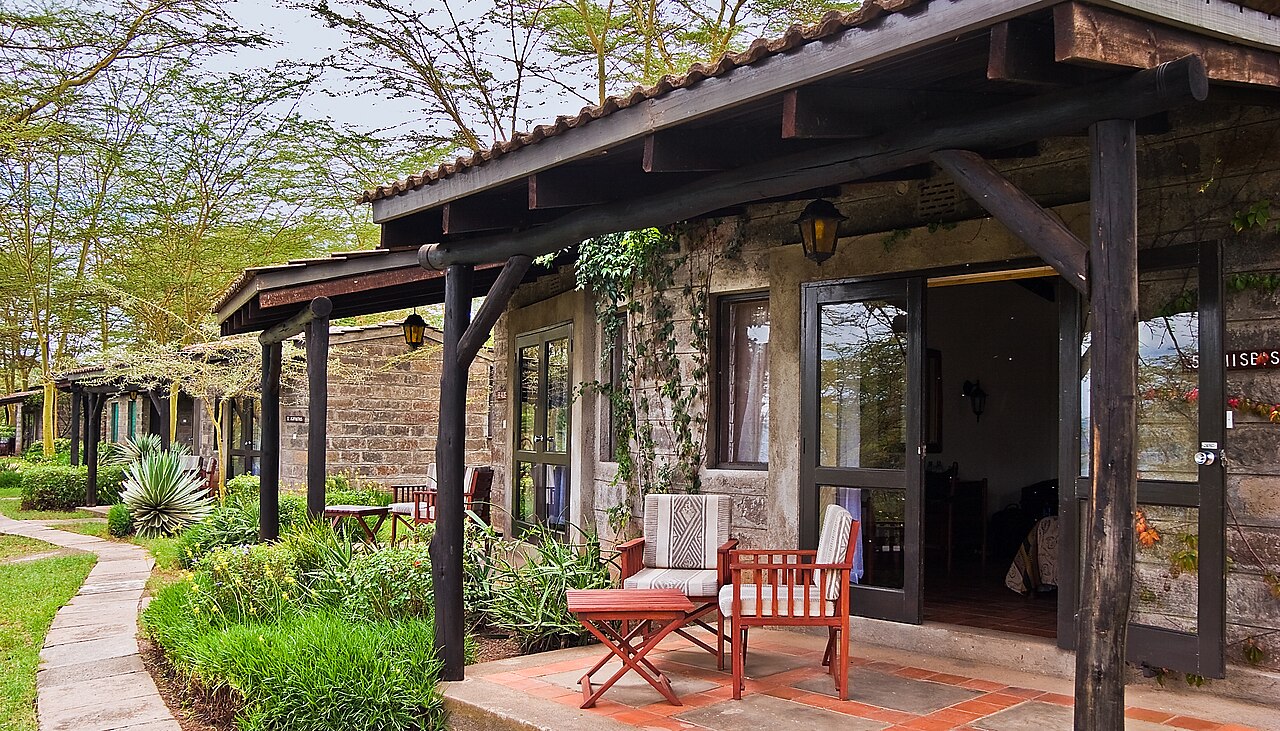
Compare the exact room category, bathroom, bed configuration, meals and accessibility. If a substitute is offered, check its location and included activities as well as its comfort level. A more expensive room does not automatically restore the wildlife time lost by moving farther from the area you intend to explore.
Compare a private Kenya safari quote line by line
Request a total for your actual party and dates. Vehicle costs, room occupancy, park charges and flights do not necessarily change at the same rate when another traveler joins. The useful comparison is two complete proposals built on the same assumptions.
| Component | What to confirm | Amount |
|---|---|---|
| Vehicle and guide | Private days, transfers and any handovers | Dated quote |
| Accommodation | Named rooms, occupancy and meals | Dated quote |
| Protected-area access | Which parks or conservancies and visiting days | Dated quote |
| Optional activities | Separate price and cancellation terms | Dated quote |
| Flights | Domestic and international services listed separately | Dated quote |
Use a simple comparison total to expose omitted services:
Here T is the comparable trip total, Q the safari quotation and E the required services excluded from it. Add only items you genuinely need, such as an omitted airport transfer.
Divide the party total T by the number of paying travelers P to obtain a comparison average C. It is not each person’s contractual price when children, single rooms or different room categories are involved.
Record the invoice currency and ask about payment charges. A card issuer’s conversion can differ from an indicative currency display. Obtain current deposit, cancellation and amendment terms in writing, including the treatment of supplier or official-fee changes.
Use flexible dates where they improve the trip
If your holiday is not fixed, provide two possible date windows and ask what changes in the actual proposal. The comparison might reveal different accommodation availability, seasonal pricing or a more convenient transfer. Do not assume that every property operates every day of the year.
For fixed school breaks or celebration dates, decide which matters more: a particular room, one specific location or a firm budget ceiling. This gives the planner a useful substitution order. Weather and wildlife movements remain variable, so a successful route needs more than a promise of one dramatic sighting.
Leave optional excursions flexible where practical. A rest afternoon, another ordinary game drive or time enjoying the camp may suit your party better than committing to activities on every available morning.
Send Jetmoor a brief that can become a booking
Jetmoor plans tailor-made Kenya and Tanzania road and fly-in safaris from Nairobi. Its published catalogue is indicative. To turn an outline into a useful offer, send the information that affects delivery rather than only asking for the “best safari.”
- Travel dates and any international flights already purchased.
- Number of adults, children’s ages and preferred room arrangement.
- Your total budget range and whether it includes international travel.
- The destinations or experiences that matter most.
- Vehicle privacy, pace, food and practical assistance requirements.
Before paying, reconcile the final itinerary against the quotation: every overnight, transfer, meal basis, access charge and selected activity should have an owner. Keep the dated documents together and use Jetmoor’s contact details to resolve unclear instructions.
private Kenya safari FAQs
Does private mean we will be alone in the park?
No. It should describe a vehicle, guide or other reserved service. Public protected areas and most lodge facilities are shared with other visitors. Ask for the specific private services to be named in your quotation.
Can two people book a private vehicle?
Ask Jetmoor for a two-person quotation with the dedicated vehicle clearly included. The cost per traveler can differ from a larger party because some vehicle and guiding costs are shared among fewer people.
Is seven days enough for a first Kenya trip?
Seven days can support a focused route. The sample here has six nights and two safari-area bases after Nairobi. Add time or reduce stops if your international connections leave less usable time than the day count suggests.
Can we choose a different camp?
Use the named property and room category as part of your planning brief. Availability, access, transfer logistics and price must be checked. Request a comparable alternative rather than assuming any camp in the same region is interchangeable.
Does a private safari include international flights?
Not automatically. The written proposal must list international flights separately from domestic flights and ground services. Confirm the exact scope before comparing a Jetmoor quote with a flight-inclusive holiday sold elsewhere.
What is the most useful information for the first enquiry?
Send dates, traveler numbers and ages, room preferences, budget scope and your main wildlife interests. State explicitly whether private game drives are essential. These details allow the planner to propose a route with meaningful choices.
Plan a route your party will enjoy
Start with the seven-day Kenya itinerary outline, then ask for the nights, vehicle and accommodation to be adapted to your priorities. A clear private arrangement and a manageable route are the foundations of a holiday you can assess before booking.
Prepared with AI assistance for Jetmoor Safaris using its indicative itineraries and official destination information. Last updated November 2026. Confirm dated services and written terms before booking.
Planning sources and further checks
Destination and supplier details were checked against these sources in November 2026. Recheck current requirements and the services in your dated proposal.
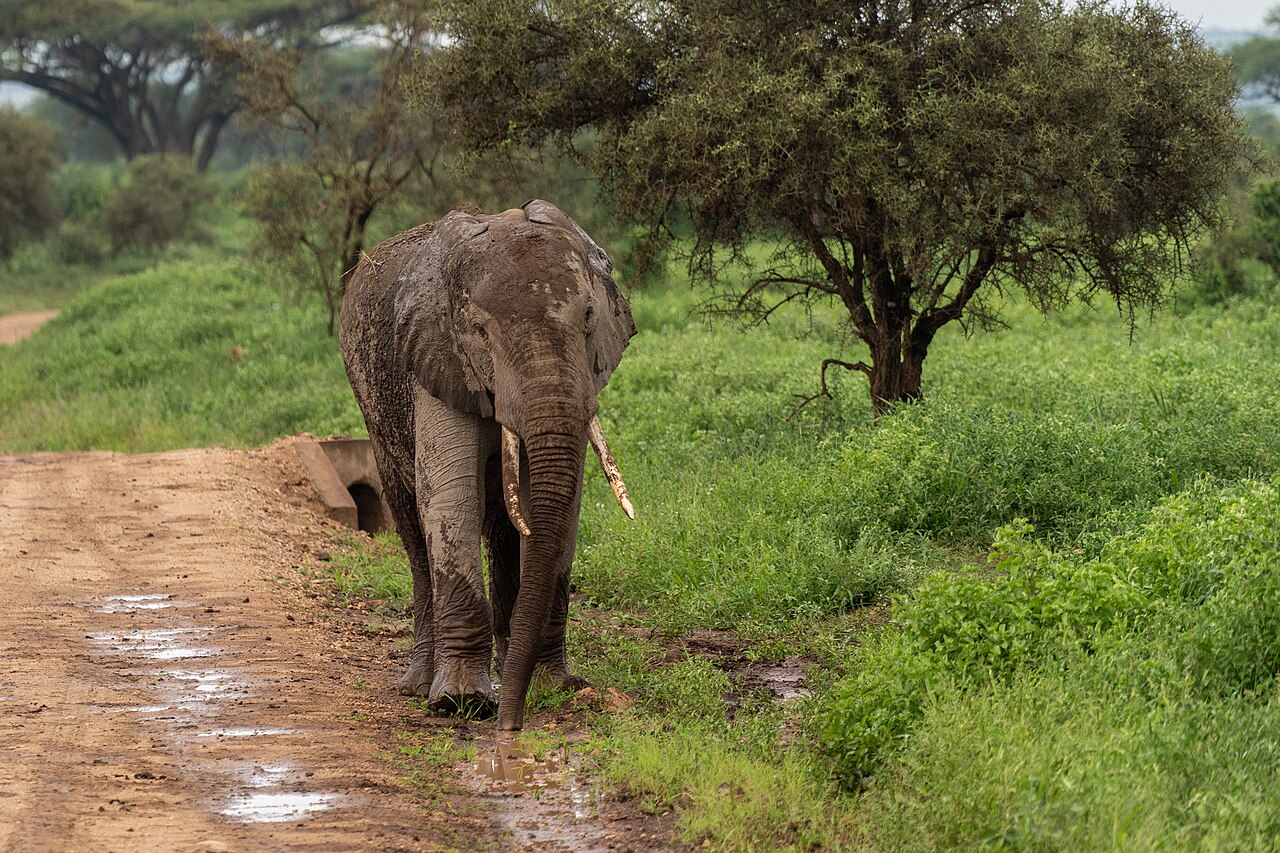
Featured photograph: Elephant beside a track in Amboseli National Park. Photo: Nina R, CC BY 2.0, via Wikimedia Commons. Resized for display.