A Kenya family safari should start with the children’s ages, the rooms you need and the pace your household enjoys. The right route leaves time for wildlife, meals and rest without making every day a test of endurance. This guide explains how to turn those practical details into a clear, family-specific itinerary.
Plan a Kenya family safari around the actual children
Give each child’s age on the travel dates, not simply today’s age. Accommodation, activity and airline rules can use different age categories. A toddler, a curious nine-year-old and a teenager may need different routines, even when all three appear as “children” on an enquiry form.
Explain previous experience of long journeys and early starts. Mention what holds their attention: animals, tracks, birds, photography or time outdoors. Avoid booking an ambitious activity list on the assumption that a child will enjoy every experience because it is described as educational.
- Share usual meal and sleep patterns that will affect the schedule.
- Identify any food needs and the practical support required.
- Explain room-sharing preferences and whether separate sleeping spaces are essential.
- Discuss vehicle seating and any required child restraint before confirmation.
- State whether returning to camp during the day is a priority.
There is no single age that makes every Kenya camp or activity suitable. Ask each supplier to confirm its own conditions and explain what an alternative would involve if one family member cannot participate.
Use fewer bases to create a gentler route
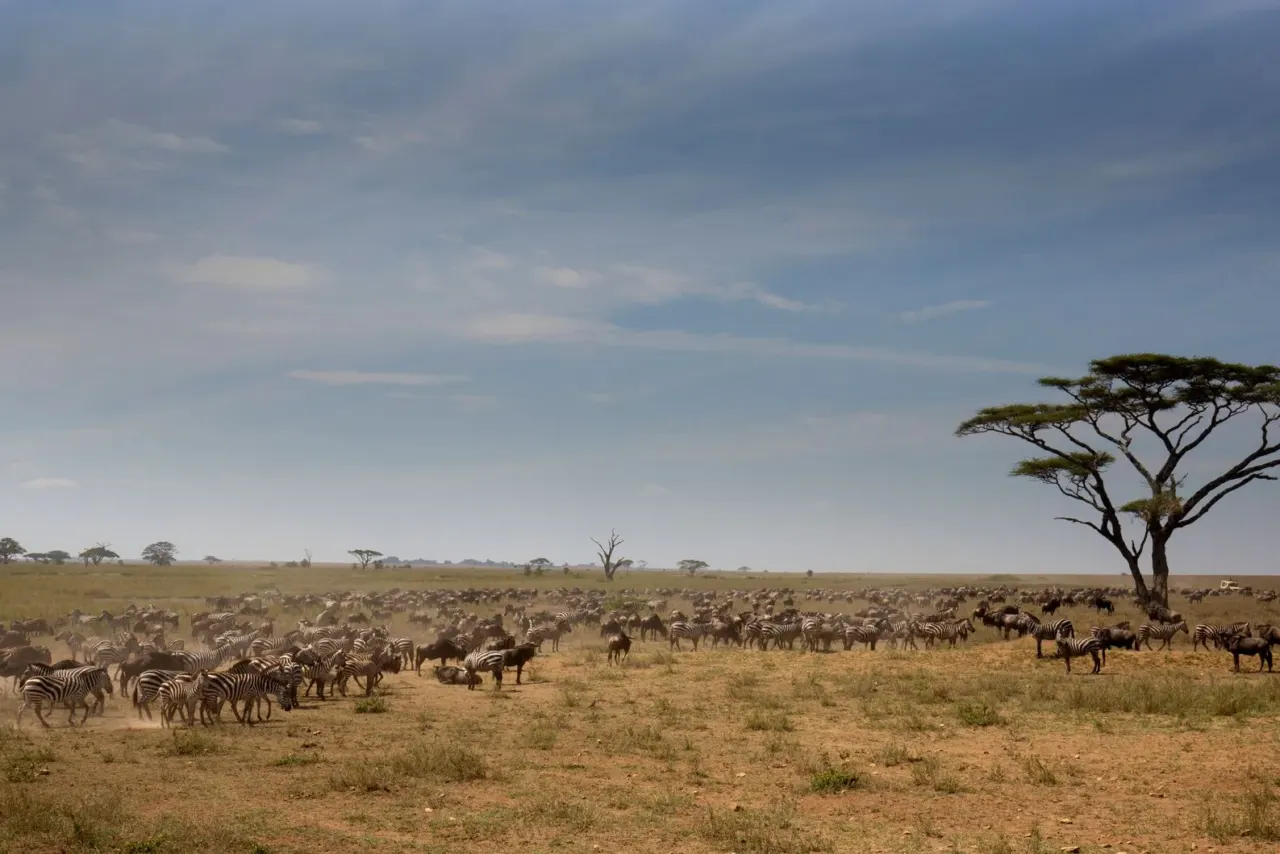
Every hotel change asks a family to pack, check out, travel and settle again. For nine days in Kenya, consider one Nairobi arrival night followed by two longer safari-area stays. The illustration below uses Laikipia and the Mara area to show the time available when you resist adding another stop.
This is a proposed adaptation, not the confirmed schedule of Jetmoor’s catalogue product. Compare it with the indicative nine-day gentle-pace family itinerary. Ask which base should change if you want a lake stay, a different wildlife focus or less travel between properties.
| Base | Nights | Complete days between transfers |
|---|---|---|
| Nairobi | 1 | 0; arrival and rest |
| One Laikipia property | 3 | 2; activities confirmed for the children’s ages |
| One Mara-area property | 4 | 3; flexible wildlife outings and camp time |
Day two moves to Laikipia, day five moves to the Mara and day nine is departure. The planner must assess whether road, air or another arrangement suits those particular properties. Do not assume a short connection because two destinations appear next to each other in a brochure.
Count settled days in your Kenya family safari
For the two safari bases in this illustration, the calculation is:
Here L is three Laikipia nights and M is four Mara nights, giving five complete safari-base days F. Partial transfer days are separate. The calculation helps you compare pacing; it does not prescribe five days of continuous driving.
Make the daily rhythm flexible
Ask for an ordinary day that includes meals and breaks, not just departure times. Some families enjoy an early outing and a return to camp before lunch. Others prefer a later start or one longer drive with a picnic. The property location and access rules determine what can work.
Plan a manageable first wildlife outing rather than making the longest drive the family’s introduction. Let the guide know when children need a break and agree how to communicate that need. Flexibility is most useful when it is part of the vehicle arrangement, rather than an expectation imposed on unrelated passengers in a shared vehicle.
- Agree the day’s main activity over breakfast or the previous evening.
- Carry the food and practical items permitted and needed for that outing.
- Include a return or break option that the guide considers workable.
- Leave an afternoon uncommitted when the family needs rest.
Children can enjoy noticing smaller details as well as large animals. A simple notebook of birds, tracks or landscape changes gives them a role during an outing. Avoid turning wildlife into a checklist that makes a quiet morning feel unsuccessful.
Choose a room layout, not just a family label
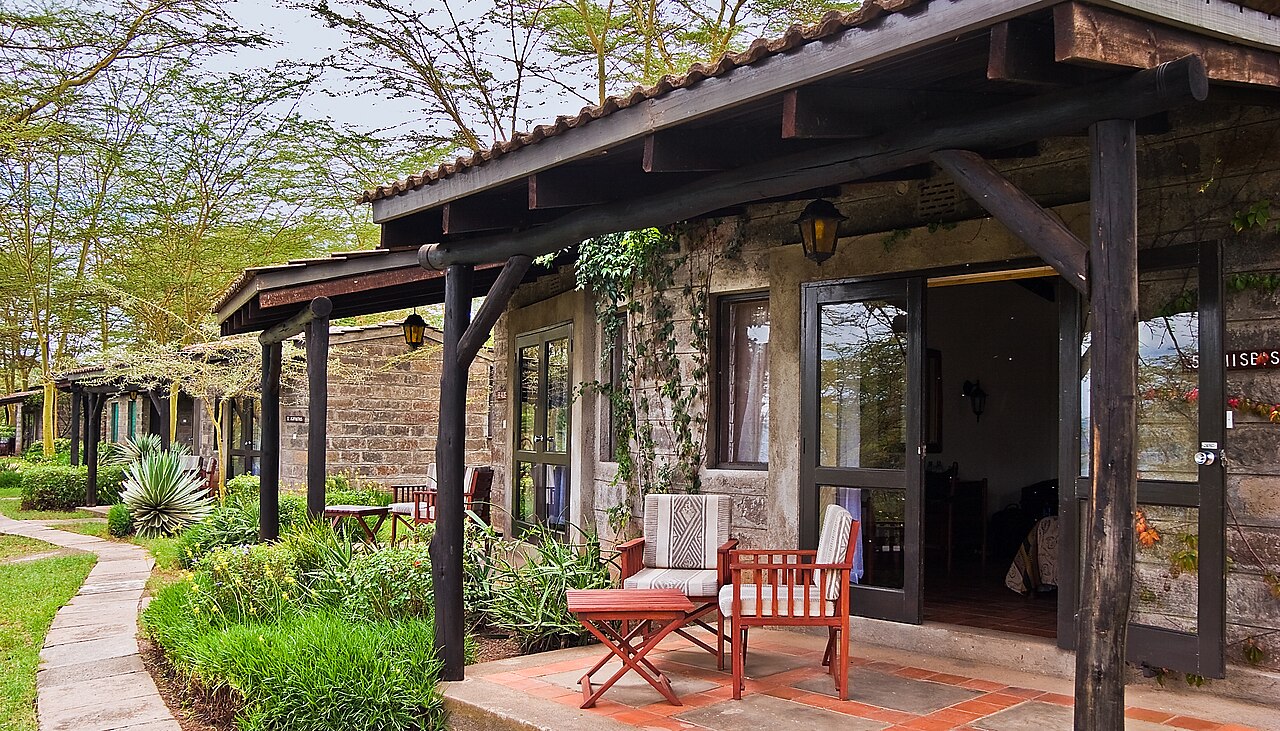
Request the exact bedroom and bathroom arrangement. A family room may mean extra beds in one space, connecting rooms or a larger suite with separate bedrooms. Those choices create different sleeping arrangements for adults and children.
Sarova Mara’s official Tented Suite description provides a concrete example: a double room and twin room, both en suite, connected through a shared lounge area. It illustrates the detail worth requesting. Availability, permitted occupancy and price must be reconfirmed; the example is not a promise that Jetmoor has included that property.
- Ask whether internal connecting doors are guaranteed.
- Confirm bed sizes, additional beds and the room’s maximum occupancy.
- Check how children move between sleeping and common areas.
- Ask about steps, paths, lighting and any escort arrangements after dark.
- Confirm meals and the availability of the facilities your family expects.
Do not assume a hotel welcoming families operates a supervised children’s club. For example, Nomad Beach Resort’s official FAQ says it does not have a Kids Club. A property can still be suitable, but the adults should understand which activities need their supervision and what any separately arranged childcare involves.
Check each activity’s age and supervision rules
Permission to stay at a camp does not automatically include permission to join every walk, balloon outing, boat trip or other activity. Ask the provider to confirm restrictions for each child, together with equipment, supervision and cancellation conditions.
If one activity excludes a younger child, establish the alternative before paying. Can one adult remain at camp? Does the family retain its vehicle? Is appropriate supervision available, and who supplies it? Do not assume a guide or hotel employee can become an unplanned babysitter.
Keep ordinary wildlife viewing responsible too. Kenya Wildlife Service’s guidance for Amboseli tells visitors to remain in vehicles except in designated areas and to respect wildlife. Teach children that a safari animal is not a pet, and follow the actual guide and park instructions at every location.
Compare road and air through the family’s needs
Ask for door-to-door transfer plans with realistic breaks. A road journey includes more than kilometers; a flight includes airport arrival, baggage handling, boarding and the airstrip transfer. The more suitable choice depends on the actual route and travelers.
If flying, obtain the booked airline’s baggage and assistance conditions. A child’s allowance may differ by fare or seat arrangement, and a family cannot assume that every bag can be pooled. Request advance advice about necessary equipment instead of waiting until check-in.
For the final day, work backward from the international flight. A buffer night may be useful where connections are uncertain. Check the price and consequences before deciding, and avoid treating the departure day as another complete safari day.
Understand Kenya family safari costs
Request a quotation showing your actual adults, children’s ages and room arrangement. A published adult price per person sharing is not a family total. Changing from one room to two rooms can affect the cost differently from adding a child to an eligible family suite.
| Cost area | Family-specific question | Amount |
|---|---|---|
| Rooms | Which exact bedrooms and occupancy are priced? | Dated quote |
| Children’s charges | Which ages apply to each supplier’s rate? | Dated quote |
| Vehicle and guiding | Is it reserved for our family throughout? | Dated quote |
| Flights and transfers | Seats, luggage and required assistance included? | Dated quote |
| Park and activity fees | Which places, ages and visiting days apply? | Dated quote |
| Optional supervision or outings | Provider, availability and terms confirmed? | Dated quote |
Keep a separate view of the money available for optional additions:
Subtract committed costs C from the full holiday budget B to find the uncommitted amount U. Use the same currency and include necessary international travel where relevant. Keep a sensible reserve rather than committing every remaining amount to activities.
Ask for the invoice currency and obtain current payment, change and cancellation terms in writing. Confirm what happens if a family room becomes unavailable or a proposed activity cannot accommodate a child.
Work with school holidays without overloading the trip
Fixed holiday dates make prioritization useful. Give the planner the full permitted window and explain whether moving departure by a day or two is possible. Compare actual availability and routing within that window rather than expecting a general seasonal claim to answer the booking question.
If half term leaves only a short period in Kenya, reduce the number of destinations. One well-chosen wildlife base can be more manageable than a miniature version of a long circuit. For a longer school break, add meaningful settled time before adding more stops.
Weather and wildlife movements remain variable. Give children a broad idea of the trip and its habitats without promising one particular animal or a migration crossing. Realistic expectations leave room for the discoveries that make the holiday memorable.
Keep the final family brief together
Before booking, check that the room, vehicle and activity details appear in the same dated proposal. Read the African safari booking checklist alongside the itinerary, then resolve any missing family requirements through Jetmoor.
Save contacts and documents in a form both traveling adults can access. Confirm current entry requirements with the appropriate authorities for each traveler, and arrange any personal travel-health advice with a qualified professional. The itinerary should handle logistics clearly while leaving individual decisions to the appropriate specialists.
Kenya family safari FAQs
Is there a minimum age for a Kenya family safari?
There is no single rule covering every property and activity. Provide each child’s age on the travel dates and ask the camp, airline and activity provider to confirm their conditions. A suitable room does not establish eligibility for every excursion.
Should we book a private game-drive vehicle?
It can make meal breaks and the length of outings easier to adapt to your family. Ask exactly which days and transfers are private. Compare that benefit with the actual price rather than assuming every family package includes a dedicated vehicle.
Are adjoining rooms the same as connecting rooms?
No. Ask for the layout and whether there is a guaranteed internal connection. Also check whether adults and children can occupy the proposed arrangement under the property’s rules. A general room label is not enough.
Can children take part in walks and balloon flights?
Eligibility depends on the provider and activity. Request current age, height or other applicable restrictions, supervision and equipment details. Arrange an alternative for any family member who cannot participate before paying for the activity.
Is nine days necessary for a family safari?
No. The nine-day example illustrates a relaxed structure with two main safari bases. A shorter holiday can work with fewer destinations. The useful measure is settled time and manageable transfers, not a mandatory duration.
How do we get an accurate family price?
Send the adults, each child’s travel-date age, exact dates and room preferences. Ask for a written party total with flights, transfers, meals, fees and optional activities separated. Confirm the price assumptions before comparing offers.
Give the family time to enjoy being there
Use the gentle-pace family safari outline to begin the conversation. Ask Jetmoor to adapt it around your children, rooms and daily rhythm, then confirm a dated proposal with the practical details in writing.
Prepared with AI assistance for Jetmoor Safaris using its indicative itineraries and official destination information. Last updated November 2026. Confirm dated services and written terms before booking.
Planning sources and further checks
Destination and supplier details were checked against these sources in November 2026. Recheck current requirements and the services in your dated proposal.
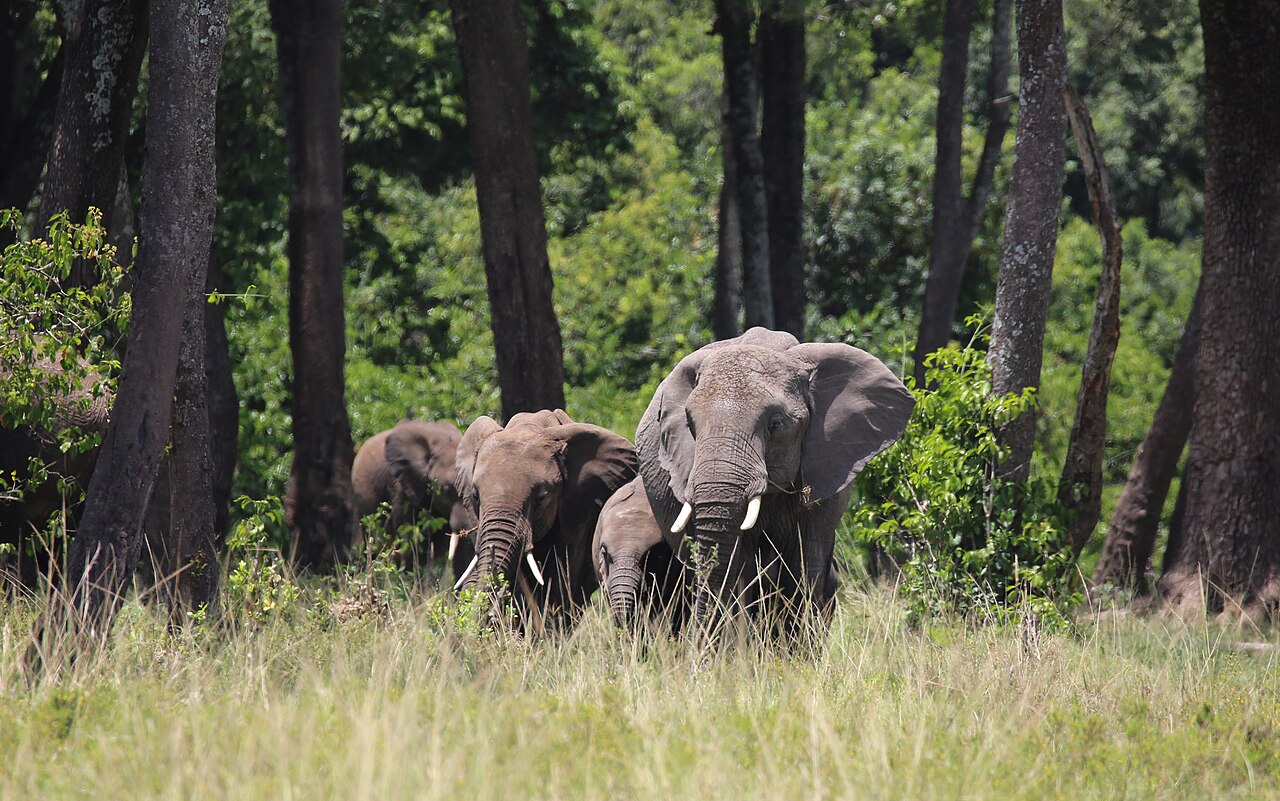
Featured photograph: Elephants at the edge of woodland in the Masai Mara, Kenya. Photo: flowcomm, CC BY 2.0, via Wikimedia Commons. Resized for display.